


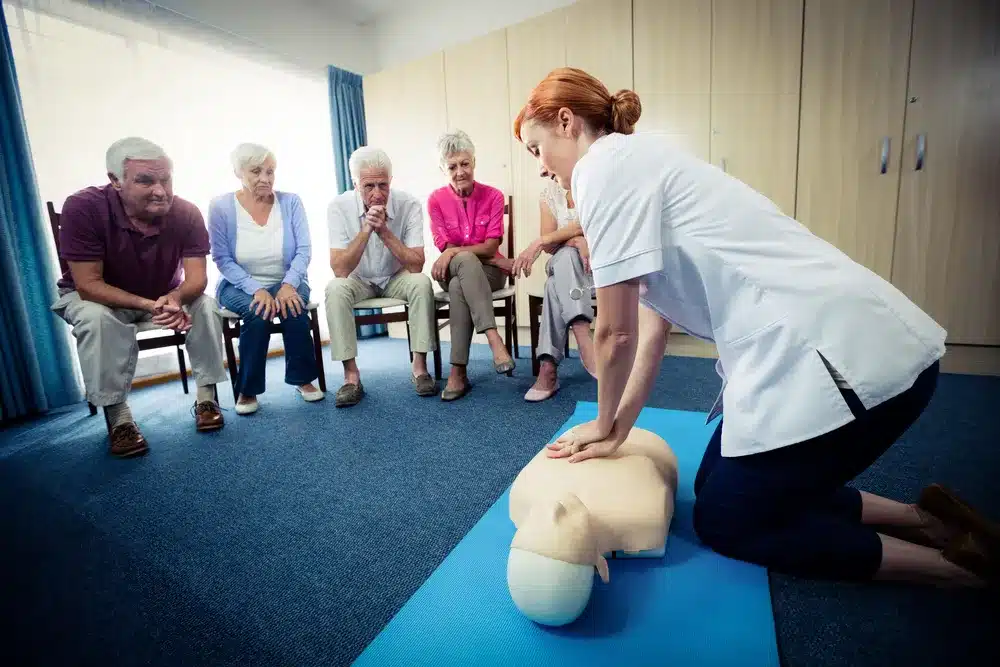
The effectiveness of Basic Life Support (BLS) training hinges on the instructor’s approach. A well-structured training program not only prepares healthcare professionals for emergencies but can also significantly influence patient survival rates. As a BLS instructor, your impact can resonate for years, enhancing both individual skills and overall patient outcomes.
The Significance of BLS Training
The proficiency of healthcare workers in BLS is tied to the quality of their training. To foster skill retention and competency, instructors should incorporate ample practice time and tailored educational strategies. Research underscores that thorough, high-quality training maximizes resuscitation efficacy, directly contributing to improved survival rates for patients.
Core Principles of Effective Training
The American Heart Association (AHA) outlines essential topics that can enhance BLS instruction and performance. Here’s a checklist of key focus areas for instructors:
- Mastery Learning and Deliberate Practice
Set clear benchmarks for passing, emphasizing behaviors that enhance patient safety and clinical outcomes. Encourage overlearning of critical BLS skills to combat skill decay. - Spaced Practice
Structure practice sessions over time, allowing for better retention of knowledge. Incorporate continuous feedback during sessions and reflective debriefs afterward to reinforce correct skill application. - Contextual Learning
Tailor training to reflect real-world scenarios relevant to participants. For healthcare teams, emphasize collaboration; for laypersons, build confidence in initiating CPR. - Feedback and Reflection
Facilitate open lines of communication, enabling instructors and participants to engage in constructive feedback. Reflective debriefing enhances understanding and skill refinement. - Innovative Teaching Methods
Move beyond traditional formats. Engage participants through gamified learning, podcasts, and social media to keep the training interactive and impactful. - Comprehensive Assessment
Implement thorough evaluations that encompass knowledge and practical skills across various contexts. Regular assessments help maintain a high standard of competence among healthcare professionals. - Faculty Development
Invest in ongoing instructor education through workshops and peer coaching to continuously enhance teaching methodologies. - Knowledge Translation
Transform findings from recent resuscitation research into practical, high-quality instruction, ensuring healthcare providers are well-equipped for emergencies.
By embracing these eight areas, instructors can enrich the training experience, directly impacting both skill levels and patient outcomes.
Crafting Engaging Teaching Strategies
To capture participants’ interest and boost retention, consider innovative instructional strategies. Gamification can introduce competitive elements, while podcasts and social media facilitate ongoing engagement. These tools create a dynamic learning environment that encourages skill development.
Fostering Communication and Management
Strong communication is vital for effective training. Ensure participants feel comfortable asking questions, and use practice sessions to provide timely feedback. Encouraging teamwork during training will enhance communication skills, promoting a seamless approach to BLS in real-life situations.
Utilizing Real-World Scenarios
Incorporate practical case studies and simulations relevant to the participants’ environments. For healthcare providers, focus on team dynamics; for laypersons, address barriers and foster confidence in emergency situations. Utilizing various manikin types can tailor skills training to different patient needs.
Ongoing Professional Development
BLS training is not a one-time event. Since AHA BLS certification requires renewal every two years, continuous education is essential. Consider offering refresher courses or practical sessions to help maintain skills, ensuring healthcare providers remain ready to respond effectively.
Take Action
If you’re passionate about teaching and want to make a difference, consider joining our team at PulseCPR. We’re looking for instructors to lead training sessions in Southern California or conduct on-site workshops. Reach out to us today to explore our opportunities!
